

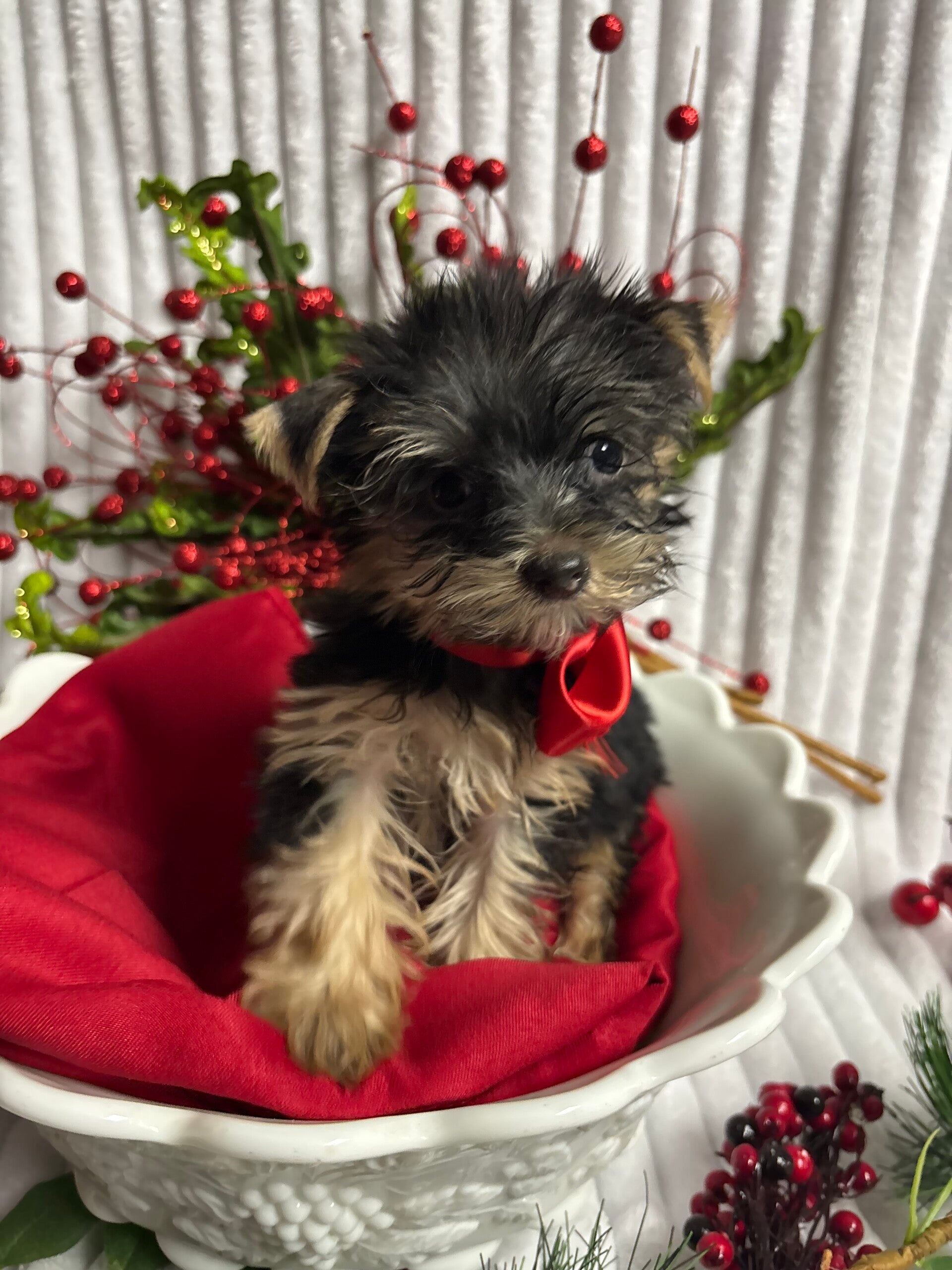
My website is still under construction not all links are completed!!
Find your next best friend at The Puppy Pad
Welcome to East Texas's trusted tiny kennel. Only 4 brreders. We raise healthy, happy, and well-socialized puppies ready to join your loving home, backed by comprehensive care resources and starter essentials. Experienced breeder with over 20 years experience. References available!
Everything you need for your new puppy
From ethical breeding and careful socialization to home preparation and training guides, we are here to support every stage of your pet parenting adventure.

DOB 9-25-26 5 males and 2 females all showing to be under 5 lbs 2 appear to be Tcup. Pricing will come at 3 weeks old - For an idea now range from $1000 to $1500. Call or email to make an appointment to see them. Info below:
Puppy adoptions
Explore our transparent adoption procedure, health guarantees, and pricing. Every puppy receives comprehensive veterinary health checks, vaccinations, and early socialization before joining your family.
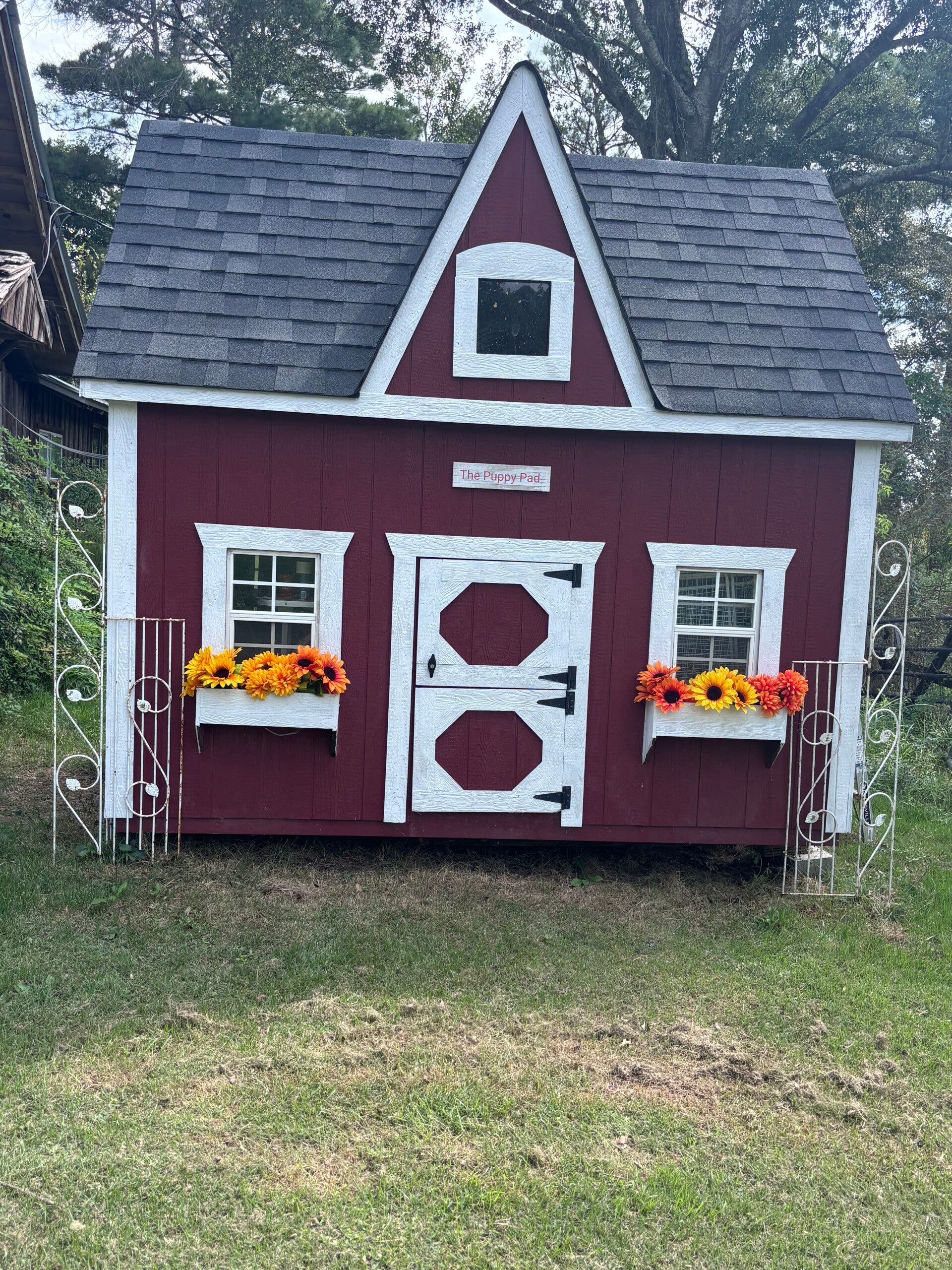
Our ethical kennel
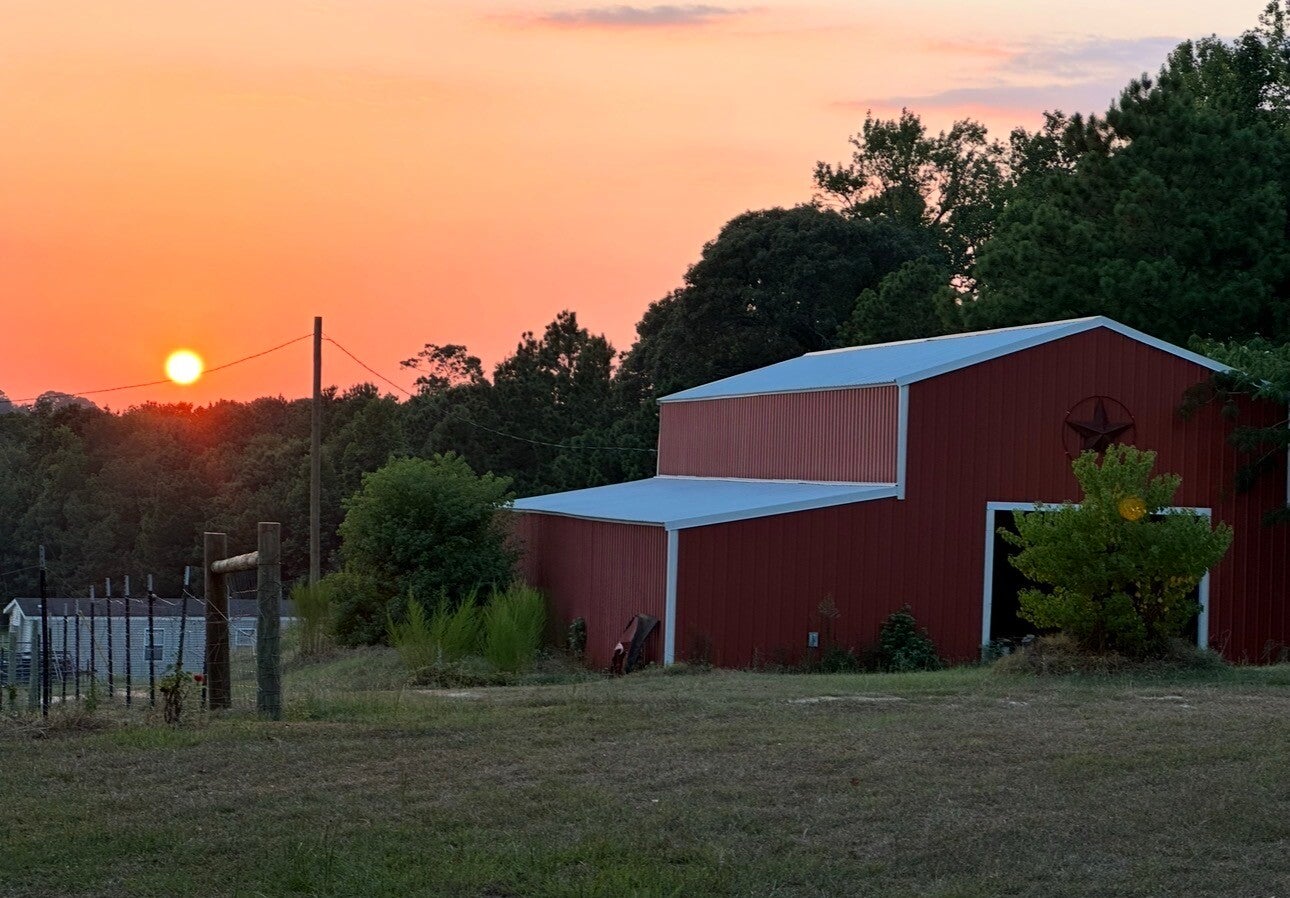
Located in Colmesneil, Texas, our family-run facility prioritizes the physical well-being and gentle temperament of our dogs through ample outdoor play, attentive care, and clean living spaces.

Buddy and Marietta Stewart
Starter Needs
Set your household up for immediate success with what your puppy will need. Listed are top-rated crates, safe teething toys, nourishing foods, and grooming basics handpicked by our team.
Browse our informative articles on crate training, teething solutions, potty schedules, and preventative healthcare to help your young pup transition smoothly into their forever home.
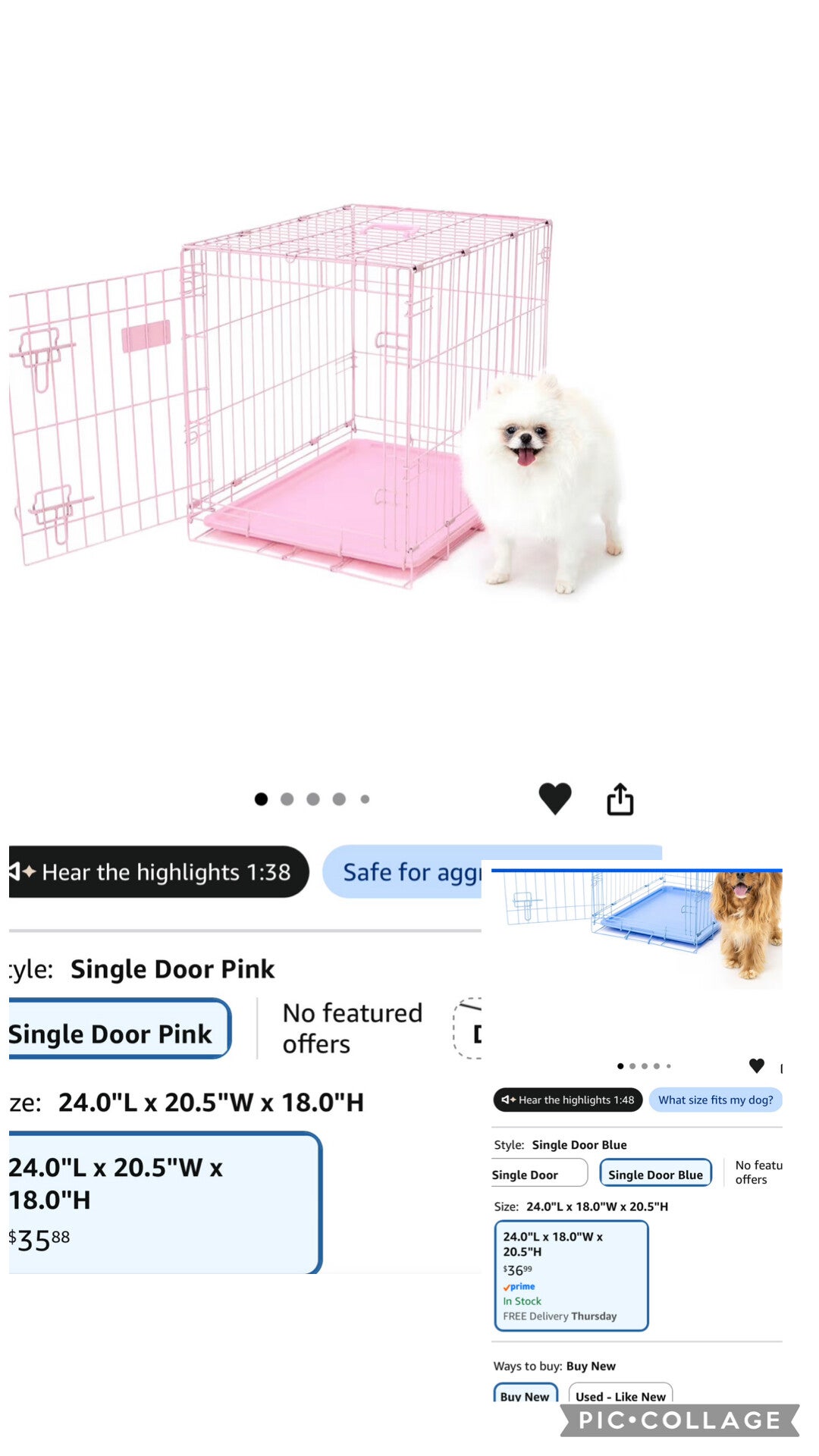
Choose the Right Crate
- Pick a size where your puppy can stand, turn around, and lie down, but not big enough for a potty corner.
- Use a wire crate for airflow or a plastic one for a den-like feel.
- Add a divider if the crate is too big for a growing puppy.
- Feed meals inside the crate to create a happy link with the space.
- Toss treats and toys inside to encourage your puppy to walk in on their own.
- Never use the crate as a form of punishment.
- Start by closing the door for a few seconds while you stay in the room.
- Gradually increase the time as your puppy stays calm.
- Keep departures and arrivals quiet and low-key.
- 2 month old puppy needs to Peepee every 30 minutes up to 2 hours
- Usually 3 months 2-3 hours 4 month 4 hours and so on
- Triggers: Always take them out immediately after they wake up from a nap, finish a meal or a drink, or finish an active play session
Care tips
Puppy Care Information
Veterinary Appointment
Make your vet appointment as soon as you know your pickup date. Try for the day of pickup or the day after. Take the “poop” from that morning to the vet. They can do a better test with a larger sample than what they can get out of your puppy.
IMPORTANT: DO NOT let the vet give your puppy flea treatment until it is 16 weeks old. If you have a flea problem before then, use a flea shampoo. Many puppies will have a reaction to flea medicines (Revolution). It is good later, at 16 weeks, not before!
You will have to tell them “No flea meds” when you first go in because they have been known to do it without asking. If you do allow flea meds, do not call me if your puppy has a reaction. I will not be responsible.
To Save Money
Call 1-800-978-3910. They come to Petco every 3 weeks. Puppy shot and worming: $39.00. Fecal sample: $14.00. Rabies: $10.00.
I do recommend a vet check for your warranty, but all other shots could be done at low-cost places. Tractor Supply has low-cost vaccinations also. Call them for schedules.
Care Until the Puppy Weighs 2 Pounds
Follow these instructions until the puppy weighs 2 pounds. Problems are seen sometimes in the 9th to 10th week. Puppies are especially active, and new owners forget this information sheet. PLEASE keep the exercise to a minimum. After the 12th–16th week, or at 2 pounds if past 10 weeks, it is rare to have a problem with a tiny puppy.
- Fresh food and water at all times (1 tablespoon Karo per cup of water).
- 30 minutes of play after each time you take the puppy out (after the vet clears the puppy to get on the ground).
- 1½ hours of rest alone. You cannot hold the puppy all the time; they will not eat. VERY IMPORTANT: 30 minutes of play or holding to 1½ hours of alone time.
- Have Karo syrup on hand. If the puppy is nonresponsive, wobbly, or having seizures—low sugar—give 3 to 6 cc and get to the vet.
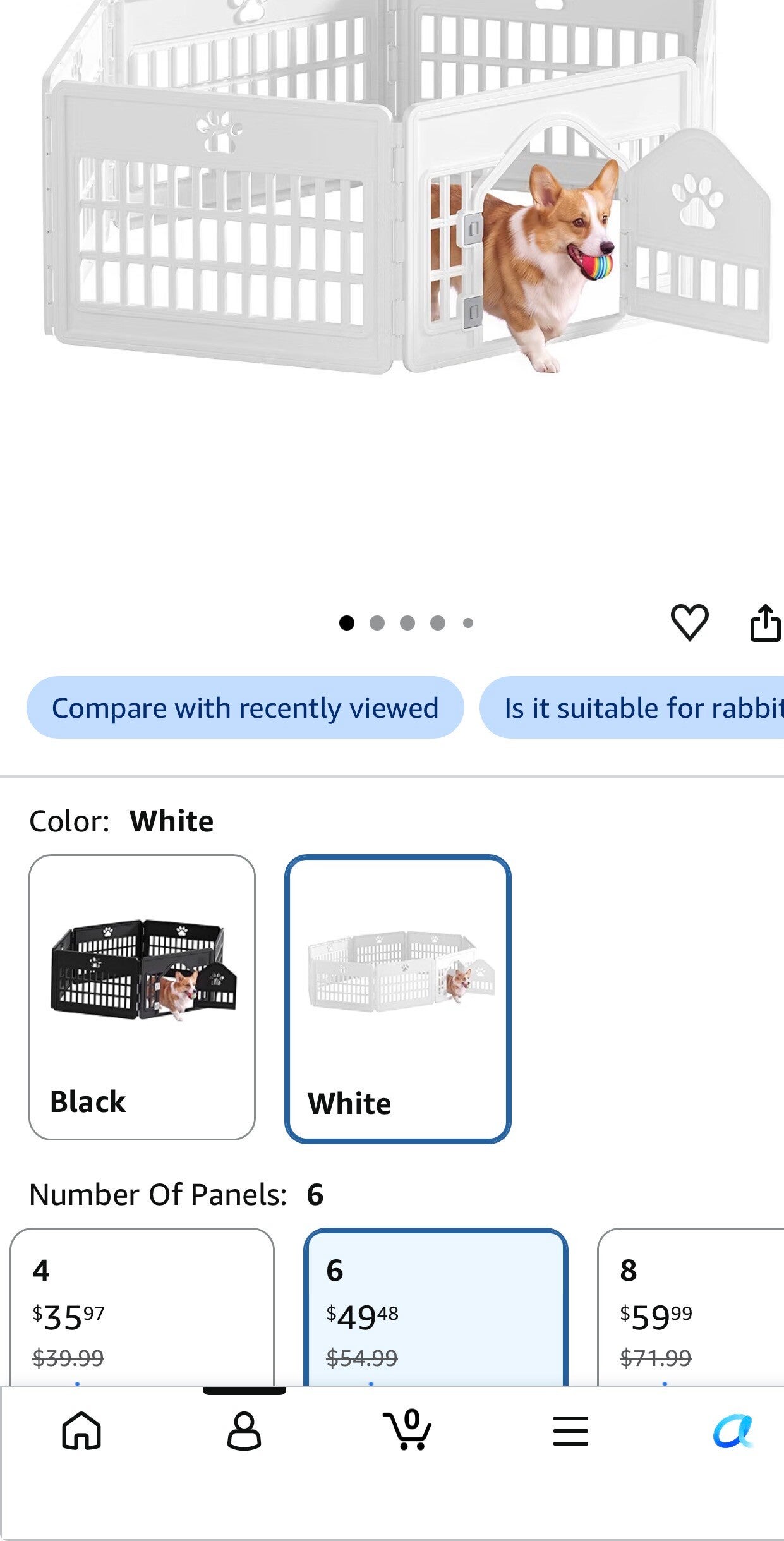
- A crate is best for dogs. They are from the wolf family and will find a “den” if you do not provide one. You will need a “place”—a larger crate, box, playpen, or bathroom—where you can have the puppy’s bed, food, water, and paper until you get the puppy completely trained, which takes time. The puppy has to be able to go without food so you can withhold the food and only feed morning, noon, and night, and later, after 1 year old, feed morning and night.
REMEMBER: THE PUPPY HAS TO HAVE FOOD AND WATER AT ALL TIMES UNTIL IT IS SEVERAL MONTHS OLD. If your puppy is pooping and peeing, he or she is eating and drinking. Sometimes it is hard to tell if any food or water has been consumed.
Bed and Crate
I have the puppies in a crate that is about 2 feet × 2 feet.
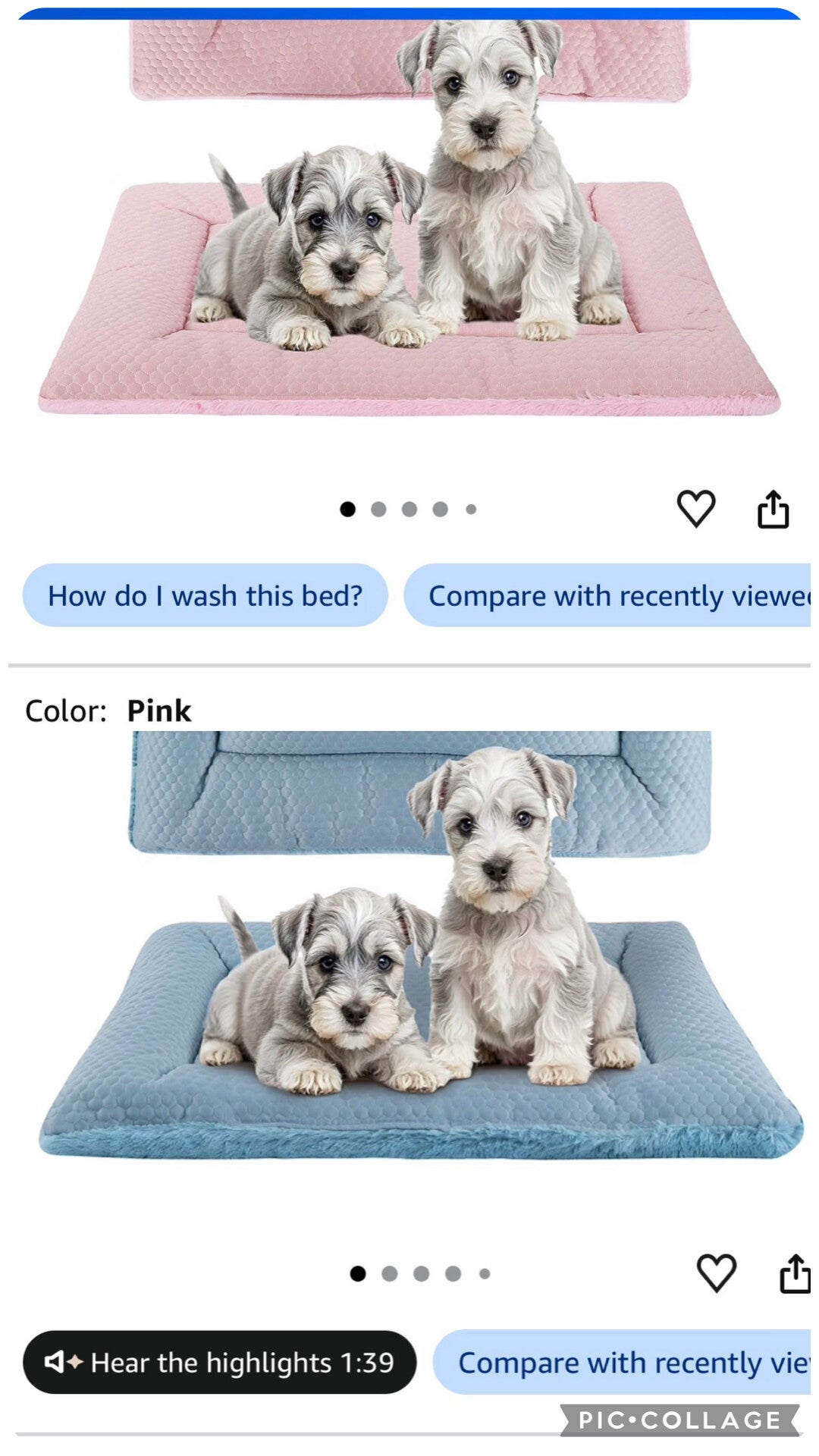
They will need a soft baby blanket or small dog bed. NO TOWELS, because their toenails get in the loops and the puppy is trapped and cannot get out to eat. They eat at night for a while also.
I will provide your puppy with a toy which will not smell especially good to you, but it will be a familiar smell for the puppy, and this will help with the first night at your home. You can wash it or get your own after a few nights.
If the toy I send has any parts that can be chewed off, like plastic eyes, do not leave it with the puppy after the first few nights. Get a toy that does not have anything that can be chewed off. You do not want the puppy to choke.
DO NOT clean your puppy’s crate or any area with cleaner. Vinegar is best, or a natural cleaner from Petco/PetSmart. I have seen household cleaners make a puppy sick if they lick them!
Things You Need
- Cat collar with a bell. This helps when the puppy is under your feet. If the puppy is scratching around the ear after you put on the collar, it is not an ear problem; it is just a reaction to the new collar. If you do not put this on now, they will not accept one later. Wait 1 day before putting it on.
- Tiny clothes. If you want your puppy to wear clothes, you must start now; they may not accept wearing them when older. Wait a few days to start.
- Low, heavy dishes for food and water. A cat water dish and feeder from Walmart work well.
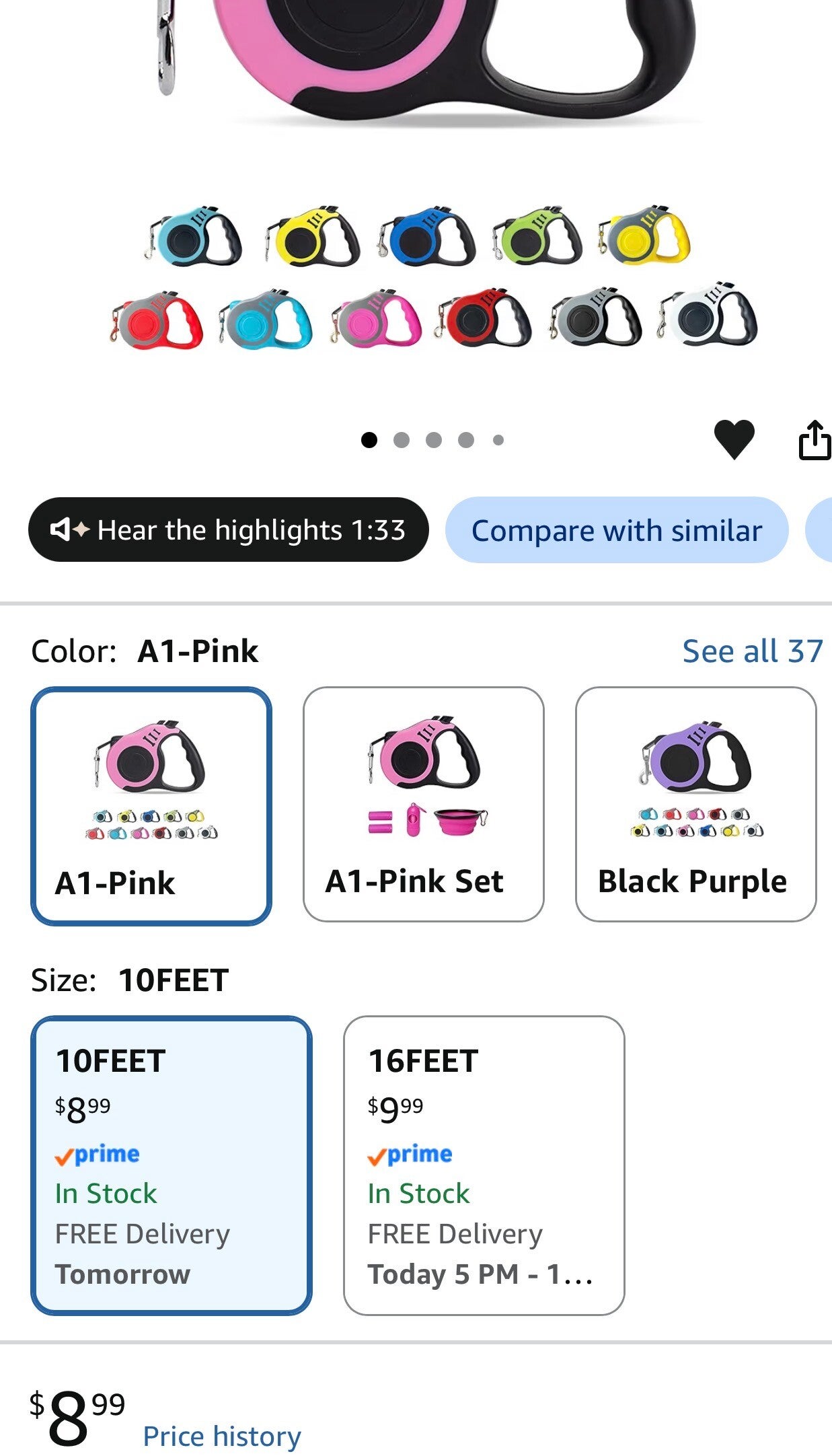
- Lightweight leash. Let the puppy drag it around once a day in the house, and it will wrap around chair legs; that will leash-train the puppy. This leash is for training only. I like the expandable type when you actually go outside. Again, if you do not start this training now, it will be difficult to do later.
- A warm place to be—not too hot or cold. My house has window units, so the room the puppy is in is usually around 75–76 degrees. You can also get a small dog heating pad. Have to make sure the cord isn’t where they can chew on it.
Food
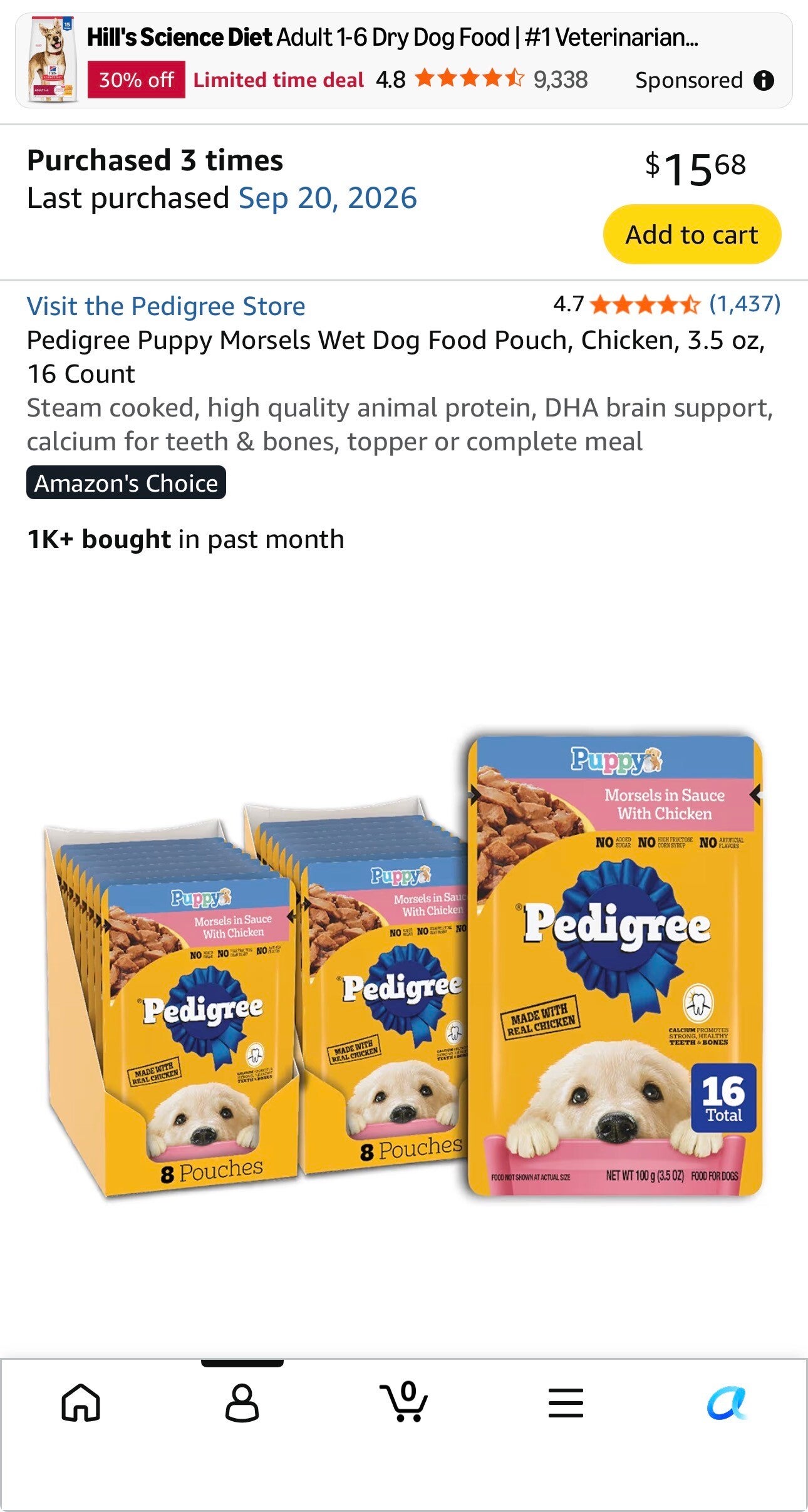
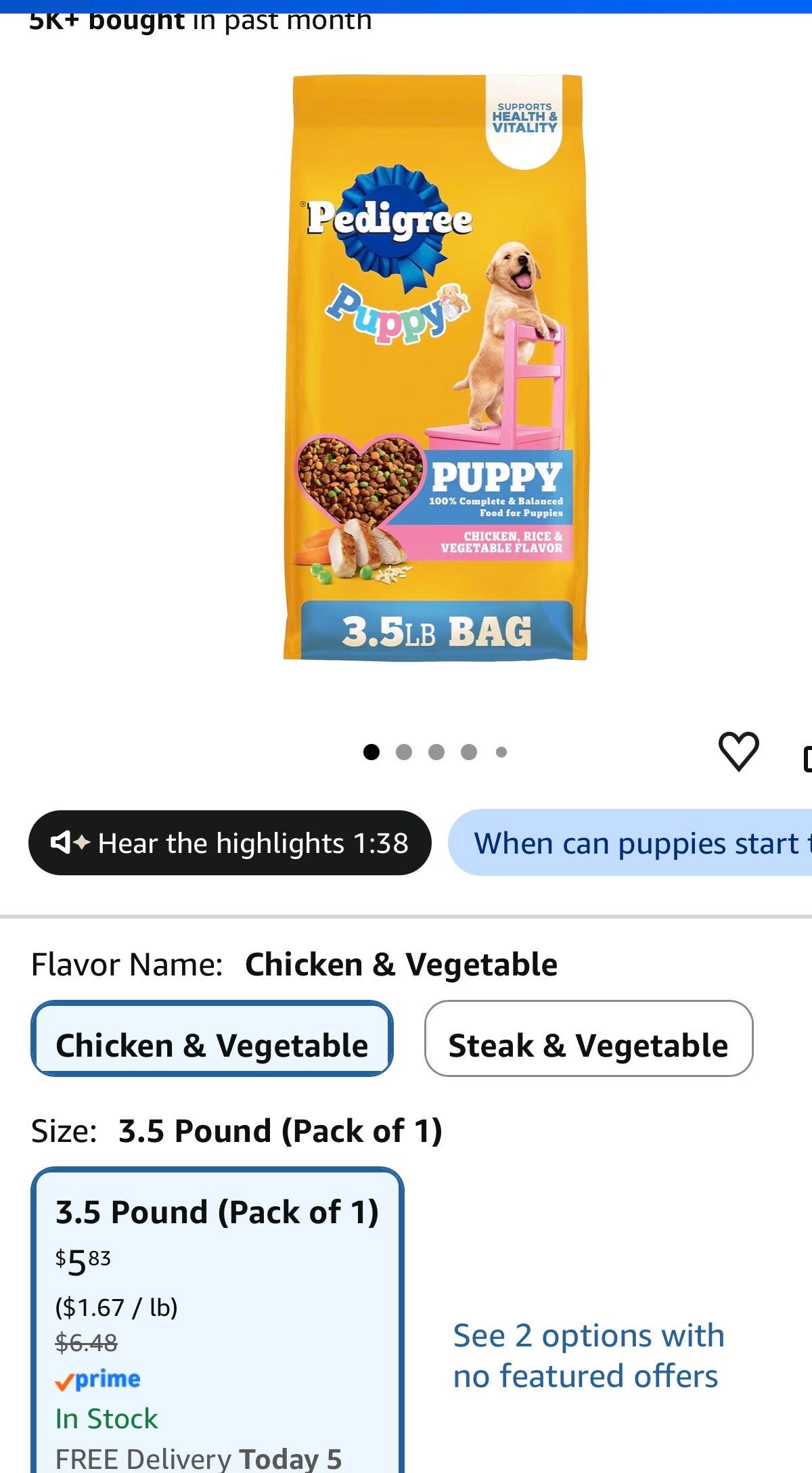
Pedigree puppy packages and later dry Puppy pedigree. Walmart has and also Dollar Store
It is also important to watch out if you have other pets that eat regular dog food. Your tiny puppy can choke on the large pieces and die. Our brother-in-law got a Yorkie from us, and that is exactly what happened, so learn from their mistake.
The food can be changed after a few weeks, but it must be done slowly: a little of the new food mixed with a lot of the old, gradually replacing the old with the new. I keep my puppies on Diamond Puppy or Eukanuba for at least 1 year. There are other good foods.
Yogurt
Dannon Vanilla or Great Value Vanilla Lowfat—NOT LITE. Why yogurt? It has a lot of calories and is good for their system. I will have a sample cup for you so you will know exactly what to get.
The vet may advise against the food regimen that I have your puppy on. I cannot tell you to go against a vet, but if you do make that choice, then I cannot be responsible. Just remember, years of experience with tiny puppies is better than what a vet may advise.
The puppy needs a heaping teaspoon 3 times a day: morning, middle of the day, and night, on a butter lid. You can start mixing in a little dry powdered food and slowly wean them off the yogurt. If your puppy refuses the yogurt mixed with the dry dog food, do not mix it.
If the puppy does not eat the yogurt, then make the puppy eat by using the syringe: 3–6 cc of yogurt at night, 3 cc in the middle of the day, and 3 cc in the morning for sure. Most puppies love it and eat it on their own.
If they eat some off the lid and leave some, that is okay; they will eat it later. Only use the syringe if they do not touch the yogurt at all.
Example: 7:00 a.m., 1:00 p.m., and 7:00 p.m.—about every 6 hours. Continue this until the puppy is 2 pounds, and then slowly withdraw: go to 2 times a day, then once.
Canned Food and Digestive Problems
Canned food: If I do not give you any sample, then you do not need it. If you feel the puppy stops eating, you can get what the vet recommends or Little Caesar Puppy.
The canned food and dry food are not as critical to change from what I use to another type, but not giving the yogurt and Karo can be bad unless they are causing diarrhea. Vets like to recommend Nutri-Cal, which is good, but you cannot give them much or they will get diarrhea. Some tiny puppies need more, so the Karo does the trick. TRUST ME ON THIS YOGURT AND KARO!
If the puppy gets diarrhea WITHOUT BLOOD, give the puppy 1 tablespoon of pumpkin (yes, canned pumpkin) 4 times a day if the diarrhea is watery. Pumpkin will also help if the puppy gets constipated, as pumpkin has a lot of fiber. TRUST ME AGAIN; it will work.
If the puppy will not eat the pumpkin, you can mix it with the yogurt and try it that way. Also give your puppy a little Kaopectate: ¼ cc, 2 or 3 times a day, for a couple of days.
House Training and Food Preparation
- Bell and wire to hang on the hinge. When you take the puppy out, touch its paw to the bell and say “outside.” Take the puppy to the same door and the same place in the yard, and do not play with the puppy so it will see that it is not there to play. You may need to take the puppy on the leash so it does not run around too much.
- Blender for food, if necessary. All puppies that are only 6–7 weeks old will need this. Puppies received at 8 weeks will probably not need to have the food blended. DO NOT WET THE FOOD unless they just will not eat for you. If the puppy is pooping and peeing, it is eating and drinking.
Grooming
I recommend that you keep the hair around the bottom trimmed to keep “poop” from catching and blocking the bowels. Groomers will do a puppy trim if you do not want to do this.
Yorkies and Maltese: Keep the hair trimmed out of their eyes. It can damage their eyes over time.
Yorkies Only
What Can I Do to Make a Yorkie’s Ears Stand Up?
In some instances, a dog’s ears will simply not stand up. There are some methods that may work to help improve the dog’s ability to strengthen the muscles at the base of the ear. These include:
- Ear taping.
- Massaging the base of the dog’s ear.
- Shaving the hair on the ears. The top one-third of the upper ear is shaved to minimize the weight on the ears. This method involves shaving both the inside and outside of the dog’s ear, usually with a mustache shaver, or having a groomer do it. Do not cut the dog’s skin.
What Is Yorkie Ear Taping and Does It Work?
This method is not 100% guaranteed to work; however, it does work in some cases.
- Begin by shaving the ears, as mentioned above.
- Clean the ears using a dog ear-cleaning solution and a Q-tip. Be sure not to enter too deeply into the ear, as doing so could cause damage.
- Gently fold the ear as if you were closing it vertically (up and down). When folded, the dog’s ear will be standing straight up with a point at the top.
- Wrap gauze around the base of the dog’s ear and secure it with bandage tape or masking tape. Once both ears are done, use tape to hold both in alignment with each other (see photo above). You may need to experiment to find the perfect degree of tightness. Too tight, and circulation will be cut off. Too loose, and the wrapping will fall right off.
- When done correctly, the ears will be standing straight on the Yorkie and not flopping to the side of the dog’s head (see photo above).
How Long Should Taping Last?
You will want to leave the taping on your Yorkie for 3 days at a time and then allow the ear to relax and receive fresh air. Be sure to groom and clean the ears between tapings.
Some dogs respond to this within 3 days; others may take 3 weeks.
You may find that taping seems to give temporary results. If so, only re-tape if an ear or both ears begin to flop down.
If you do not see results within a month, it is recommended to accept that your Yorkie is either a late bloomer or will have floppy ears. If a Yorkie’s ears are not standing up by the age of 7 months, it is most likely not going to happen.
I use regular dog shampoos. You can start bathing your puppy as soon as you like.
Do Not
- Give the puppy anything else to eat—no canned food—unless I have the puppy on canned food when you get it. I will provide samples of all the types of food the puppy is on. Do not wet the food. If the puppy stops eating, consult the vet about a suitable canned food, or, if the vet is not available, I recommend Little Caesars Puppy.
- Let the puppy run and play too wildly until after the 12-week period or until it is 2 pounds. This is important!
- Put the puppy on the ground where other dogs have been until after it has had at least 2 shots. If you know of a yard that has had parvo, the puppy must have all the shots before getting on the ground there—or never is better.
- Put the puppy down at PetSmart or Petco—germs!
- Slam doors when your puppy is out. Puppies love you and will follow you or children around. EVERYONE in the house needs a lesson on looking behind them before closing a door. You would be surprised at the puppies that die from doors. Also watch rockers; puppies can be crushed under one. I recommend not letting a puppy run around unless you know exactly where it is until it is about 6 months old. Just like we watch small children at all times, you must watch your puppy!
Do
- You can give your puppy a good doggie treat for training. Here is a good one:
- Here is a recipe for a homemade treat. This is good to give in the morning and at night to chew on.
Peanut Butter Dog Biscuits
2 cups whole wheat flour
1 tablespoon baking powder
1 cup natural smooth peanut butter
1 cup skim milk
Combine; turn out onto a lightly floured surface and knead. Roll out ¼ inch thick and cut into tiny shapes. An old medicine bottle makes a good size. Bake in a preheated 375-degree oven for about 20 minutes. Cool.
- Enjoy the puppy.
- Call me if you have any other questions: cell 409-200-9516. Have this cell number with you when we are meeting. Also send me your cell number.
- Make an appointment for 3 other shots.
Checklist of What You Need for the First Night
- Small dog bed or baby blanket.
- Food and water dishes—low-profile and heavy.
- Crate or something to confine the puppy.
- Clear Karo syrup (says “light”), or corn syrup. Get this at any grocery store.
- cc syringe. Get it in the medicine section or at a feed store.
- Vanilla lowfat yogurt (not light). Give a heaping tablespoon 3 times a day. Dannon or Great Value.
Supplies and Flea Medication
You can order everything you need from www.revivalanimal.com, www.Jefferspets.com, or www.canadavet.com (takes 3 weeks to arrive). You can get flea medicine, too. Just a hint to save money.
Order flea medication for the largest dogs or medium dogs. You may want to call me to get instructions on how to divide it. You cannot divide Revolution because it will dry up, but pills can be divided. It is cheaper than at the vet and is great: it takes care of fleas, ticks, ear mites, and heartworm all in one dose.
I have used NexGard for fleas. The dog must be 5 pounds to use it, so you cannot do this for a long time.
Runny Nose and Antibiotics
If your puppy gets a little runny nose, you can give a little Dimetapp: ¼ cc. If the puppy is coughing or has a fever, you will need to go to the vet or start amoxicillin.
You can order amoxicillin from Revival—Fish Mox, which is 250 mg amoxicillin. Mix with 10 cc of water and give 1 cc of the mixture for every 2.5 pounds of dog, 3 times a day. This can also be given if your dog gets a bad cut, for infection.
Vets do not usually sew up open wounds. Clean it well, use an antibacterial cream on the wound, and start the antibiotic. Give it for 5 days. If not improved, continue or go to the vet.
Eyes and Ears
If the puppy gets an infected eye or a scratch on the eye, use Terramycin. You can get it at the feed store, but it is much cheaper from Jeffers or Revival.
I recommend using ear mite medication—Mita-Clear. It can be purchased from the vet, which is expensive, or ordered from Revival.
If the puppy starts scratching behind its ear, that is probably ear mites.
Tapeworms
Watch the stool for a rice-looking worm. That is a tapeworm. It is not dangerous. You can get 1 pill from the vet that will take care of the problem.
You can also order a bottle, which will cost less in the long run, but it is a pricey medication. It only takes 1 flea that the puppy eats to cause tapeworms.
Vaccinations and Heartworm Prevention
If you really want to save money, you can give the 4 shots that your puppy will need. It is simple: order 4 shots or get them from Tractor Supply or a local feed store. I used 5-way Proguard or Solo-Jec; other brands are okay.
Lift the skin up on the neck and slide the needle under the skin. Do not put this shot in the muscle. I have had people get a nurse or friend to give the shot if they do not think they can.
You will have to take the puppy to the vet for the first checkup for your warranty. Do not skip this, because there are things that only a check under the microscope can detect. They are treatable and not life-threatening unless not treated.
You will also have to get the rabies shot from the vet, but make an appointment for only that shot at 16 weeks.
Remember, your puppy will need 5 more shots AFTER you get the puppy. They are to be given at 3-week intervals, then the last one at 4 weeks, and then another shot at 6 months old and 1 year.
I will have given the first shot, and the date will be on the medical record I give you. Either plan to give the next shot or take your puppy back to the vet 3 weeks from the date of the first shot that I gave.
Please remember: no flea meds until the puppy is 16 weeks old. When the puppy is 16 weeks, the vet will start the puppy on heartworm medication, which will control all worms and is very important. One mosquito bite can give your puppy heartworms.
Watch Essential Oils
I hope the information is helpful, and thanks again for getting your puppy from me. I do not mind giving you information, so call if you have any questions. Thanks again.
Marietta
409-200-9516
Bloat and Twisted Stomach
What You Know Can Save Your Dog’s Life
It can happen to any dog, but it usually happens to big dogs. It strikes males more than females and, if not treated, can kill within hours.
No one knows what causes it, and no one is sure how to prevent it. There are a lot of opinions, all based on anecdotal evidence, but no hard facts to go on.
Researchers have found similarities in dogs that experience bloat. Some of these include:
Eating One Large Meal a Day of Dry Food
It is recommended that dogs at risk be fed 2 or 3 smaller portions at various times during the day. Dogs fed once a day are twice as likely to develop GDV.
Being a Fast Eater
Gulping down the food as quickly as possible: dogs that eat fast tend to swallow a lot of air while eating.
Drinking a Large Amount of Water After Eating
Most dry foods expand when water is added, some more so than others. It is thought that drinking a large amount of water after ingesting a large meal may cause the dry food to expand in the stomach to a mass that the stomach was not intended to hold.
Add to this the air that was swallowed, and the stomach can swell to a dangerous size. Water may also dilute the digestive juices in the stomach to a point that they cannot do their job, which may cause gas to build up.
Playing Vigorously After Eating
Running, jumping, and especially rolling over after eating increase the risk of stomach twist. A leisurely walk around the neighborhood is fine and may aid digestion, but more active exercise should be restricted for 1 hour before and 2 hours after eating.
Stress and Temperament
Dogs that are under stress are thought to be more at risk than those that are calm and relaxed. Boarding, a change in routine, and a new dog in the home are situations that can increase stress in a dog.
Temperament can also be a factor. Dogs that are more nervous, anxious, or fearful appear to have an increased risk of GDV.
If you have a dog that gulps its food, drinks lots of water after eating, and likes to play actively after eating, you may want to make some changes in its routine. Feed smaller portions two or three times a day, limit water after eating, and prevent vigorous activity for at least two hours after eating, crating the dog if necessary. If you are not already using a premium food, consider switching to on
Suggested items you may need! Discuss with us before you order.
Puppy Mom and Dad
Charlie 4 lbs and Piper 6 lbs


Our history
From modest beginnings, we've grown through unwavering dedication and a commitment to continuous improvement. Each step has reinforced our core belief in the power of collaboration and the importance of integrity. We're passionate about what we do, and we're excited to share our story with you.
Here is Shotzie age 10 and Bree age 8 both breed here and are not breeder but here for you to see she you come to see the puppies! They are sweet natured and very small and Very Healthy!
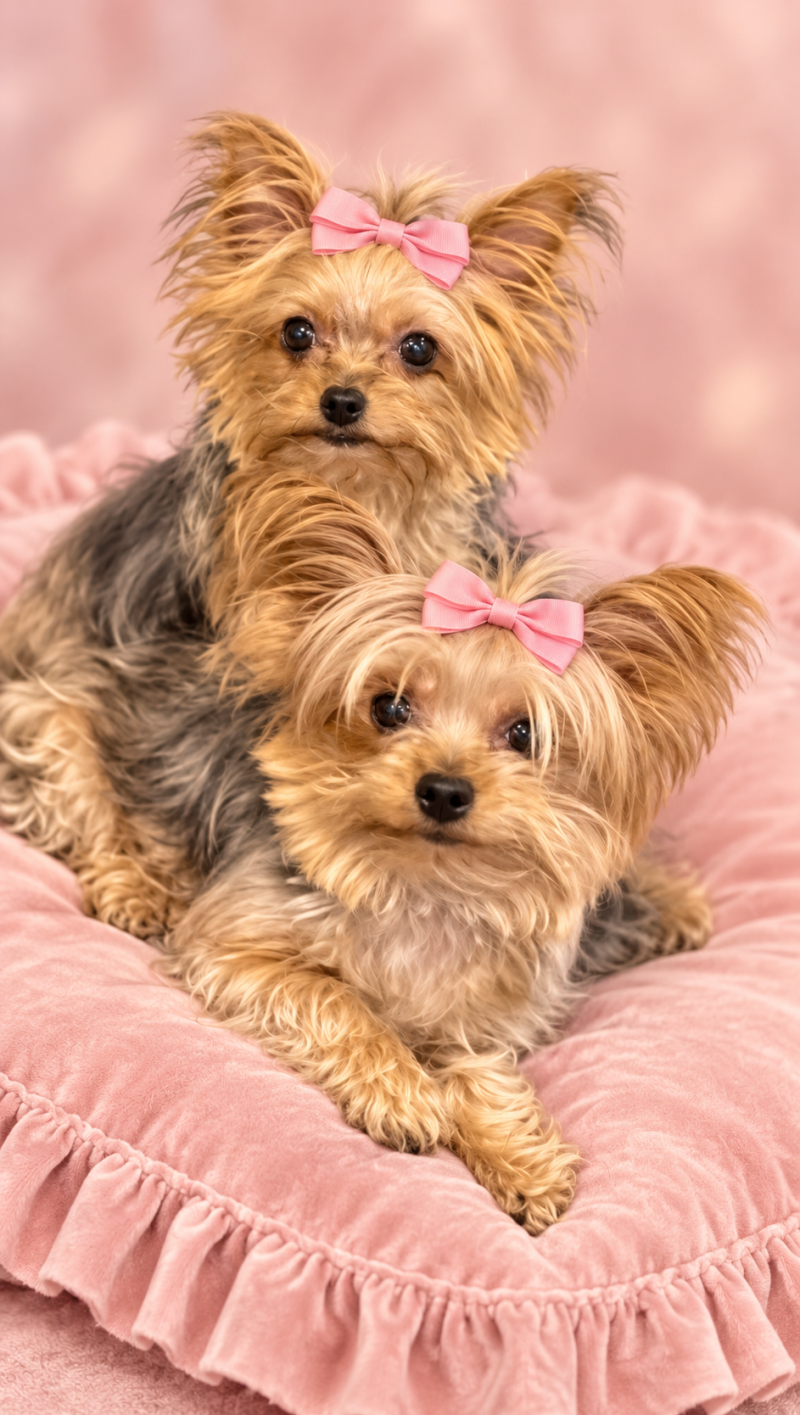
"Adopting from The Puppy Pad was such a wonderful experience. Our pup arrived happy, healthy, and so calm around our kids. Their care guides made the first weeks completely stress-free!"
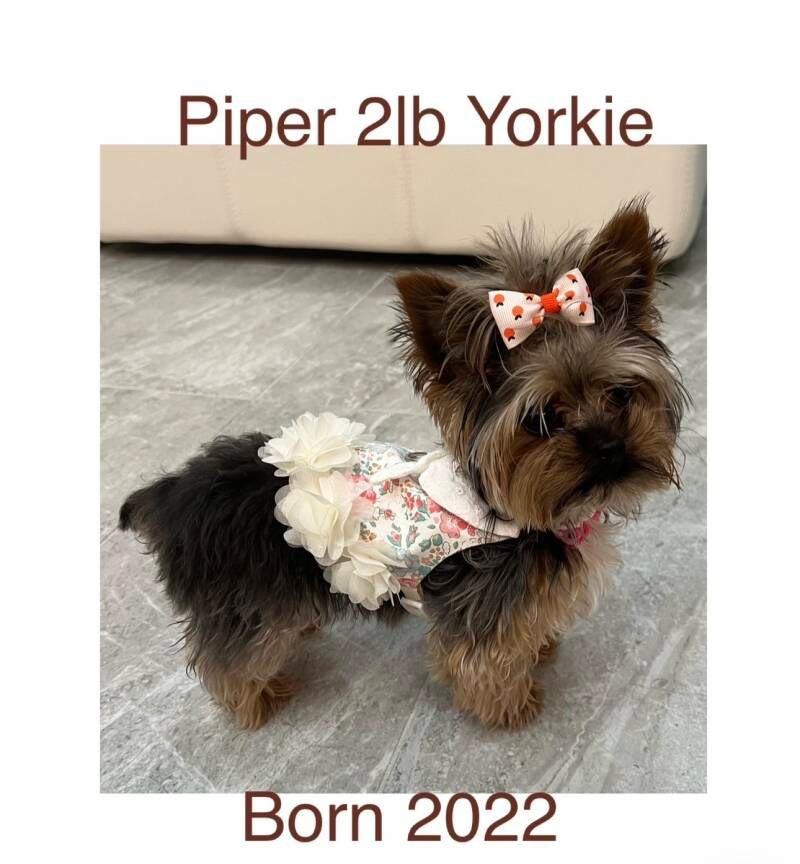
Jeff and Betsy:
Happy Puppy Parent here is their baby girl Piper!
Ready to welcome your newest family member?
We are committed to helping you pick the right companion and preparing you for a lifetime of joy together. Get in touch today to check current litter availability or schedule a kennel visit in Colmesneil.
Frequently asked questions
Bringing home a new dog is an exciting milestone. Here are answers to common questions about our Colmesneil kennel, adoption procedures, health guarantees, and post-adoption support.
Contact our kennel
The Puppy Pad
Colmesneil, TX 75938
United States
Kennel hours
By appointment only
Direct contact
409-200-9516
mariettastewart50@gmail.com
Follow our litters